Nothing is duplicated
The photos already in your library are the ones that get fixed. No second copy, no new album to merge later.
iPhone App · Apple Photos
To change one photo's date, open it in Photos, swipe up, and tap Adjust Date & Time. Scans are the hard part, they all carry the day you digitized them: the Timeline Scan app finds every scan stuck on its scan date, works out each real year, and writes it into Apple Photos and the file's EXIF DateTimeOriginal.
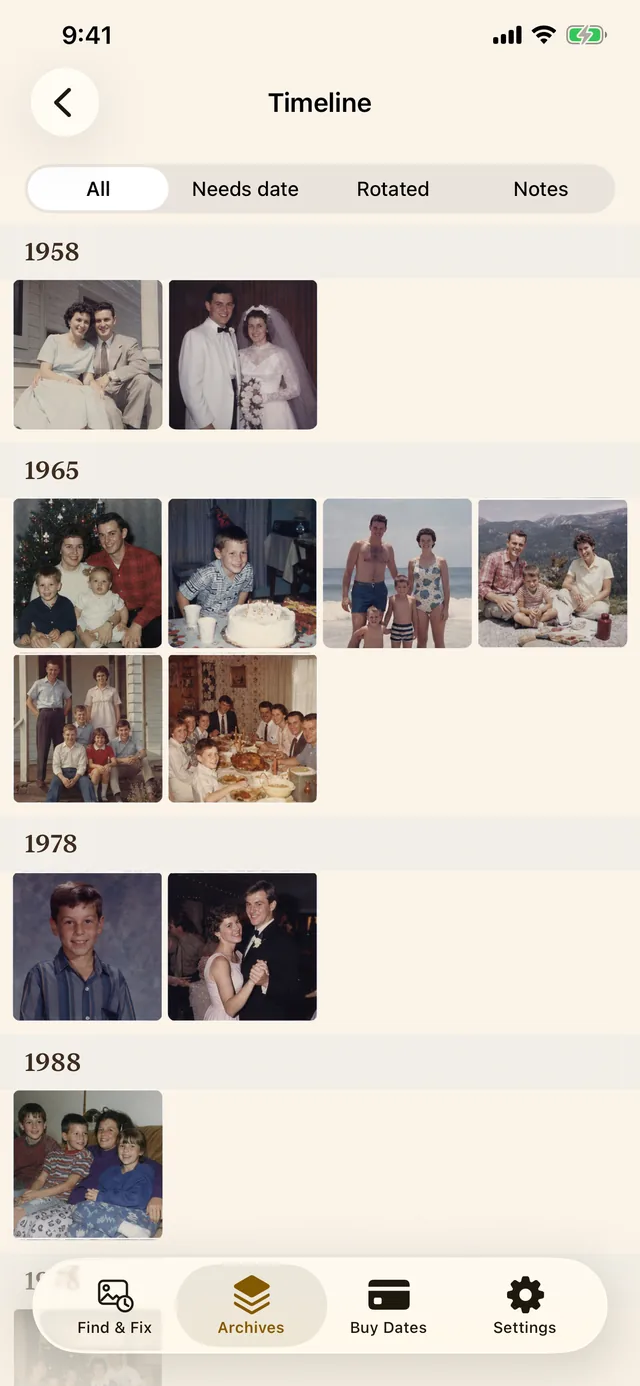
The problem, in one picture
Today, in Photos
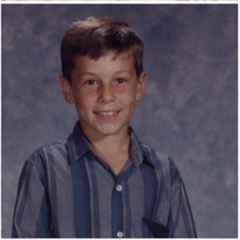


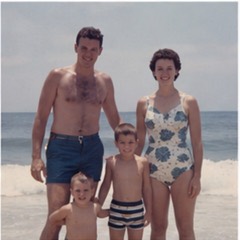

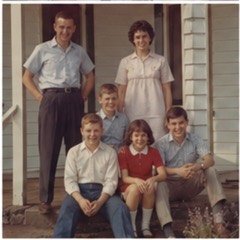
Forty years of family, filed under one afternoon, buried between last week's screenshots.
After Timeline Scan
Each photo gets its own date, so the Photos timeline, Search, and Memories all put it in the right decade.
How it works
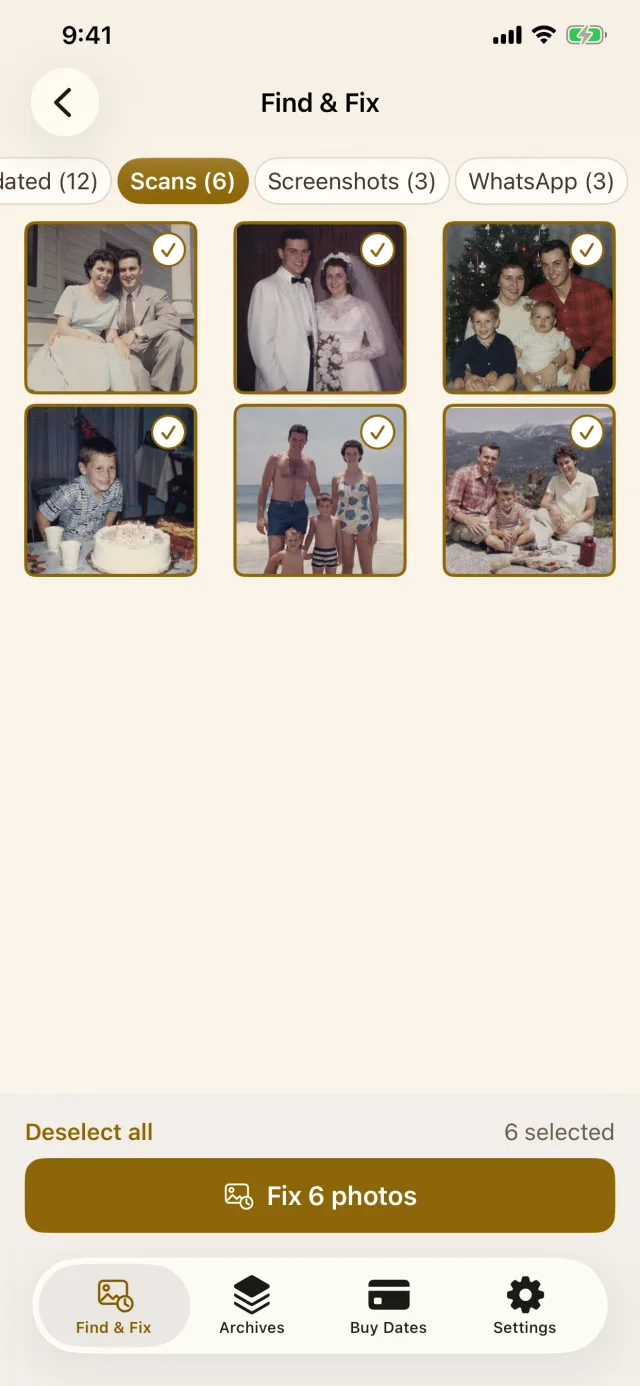
The app checks your library on the phone and gathers the photos with no real capture date. Screenshots and app saves go in their own buckets. This part is free, before any account.
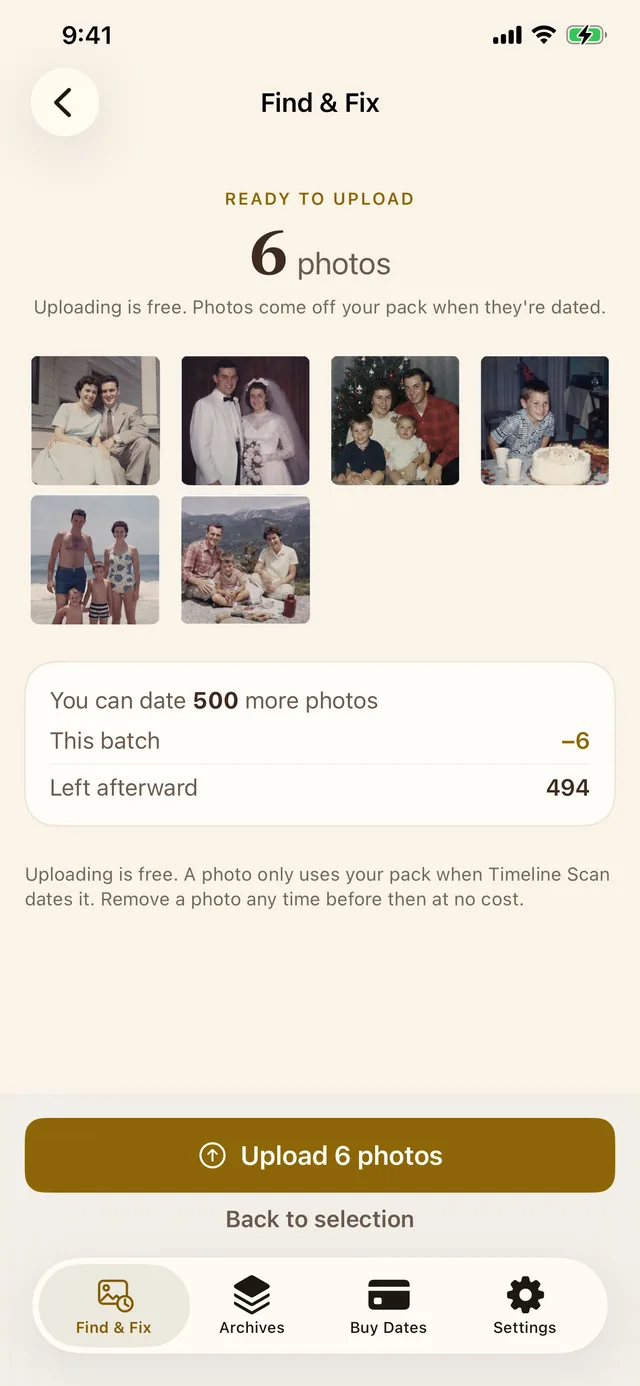
You see the batch, what it will cost, and what is left, then tap once. Only small previews go up. Printed lab dates, handwriting on the back, film type, clothing, and the faces you have named all feed each estimate.

One tap updates the photos already in your library. Nothing is duplicated, nothing is re-encoded, and nothing is downloaded: the same photo simply carries the right date.
Optional, any time: open a photo to see the year we landed on and the handwriting we read off its back, and change any date yourself. Most people never need to.
Honest comparison
If you know the date and you have a handful of photos, use the Photos app: it is free and it is right there. It can even do a batch, as long as every photo in that batch belongs on the same day. The difference is who works out the year, and whether each photo can get its own.
| Photos app one photo |
Photos app batch select |
Timeline Scan iPhone app |
|
|---|---|---|---|
| Best for | A few photos whose date you already know | A stack of photos that really were taken on one day | A box of scans nobody has dated |
| Who works out the year | You | You | The app, from what is in and on the photo2 |
| Dates per selection | One photo, one date | One date, given to every photo you selected1 | A separate date for every photo |
| 200 scans takes | 200 trips through the date picker | One pass, and all 200 end up on the same day | One review, then one tap |
| Date inside the file | No Photos' own database; export the unmodified original and the old date is still in the file3 | No Same | Yes EXIF DateTimeOriginal is rewritten in place, with no recompression |
| Cost | Free | Free | Free to scan and preview, then pay per photo dated |
Both tools can live together: fix the ones you know by hand, and let the app take the years nobody remembers. Undoing is easy either way, because Photos keeps a Revert for any date it has adjusted.1
Measured, not guessed
Figures come from ground-truth benchmarks on prints spanning 1986 to 2005. Bare prints with no date on either side are harder and are measured separately: 83% within five years, 91% once family faces are tagged. The method, the datasets, and the weaker numbers are all published on the accuracy page.
The photos already in your library are the ones that get fixed. No second copy, no new album to merge later.
Only date fields change. The image is not resized, re-encoded, or replaced, so quality is exactly what it was.
A small preview of each photo you pick is sent for dating. Full-size originals never leave the phone, and photos are never used to train AI models.
Dates are shown with the evidence behind them and stay editable. Photos can also revert any date it has adjusted.
Common questions
In the Photos app, tap Select, tap the photos you want, then swipe up and choose Adjust Date & Time. Apple describes this batch path in the iPhone User Guide: “To change the date, time, or location of a batch of photos, tap Select, tap the thumbnails you want to change, then follow the steps above.”
You type in one date, and every photo you selected gets that same date. Perfect for a stack of photos from one birthday party. Useless for a box of scans: a 1958 print and a 1987 print would both be filed under whatever single date you typed, so the only way to get them right by hand is one photo at a time. The Timeline Scan app works out a separate date for each photo instead.
A scanner writes the moment of scanning, not the moment of the photograph. Prints made before digital cameras have no capture date in them at all, so Photos falls back to the file's creation date, which is the day you digitized it. That is why a boxful of prints from four different decades all pile up on a single afternoon in your library. The longer explanation lives in the guide to fixing scanned photo dates.
Because some of them carry the wrong capture date. Camera shots get the right date automatically; scans, screenshots, saved messages, and downloads are stamped with the day they landed on your phone, so they pile up under this year. Correct those capture dates, by hand for a few or with the app for hundreds, and the timeline sorts itself out, because Photos, Search, and Memories all read the same field.
Yes. Timeline Scan writes the date Apple Photos sorts by and the EXIF DateTimeOriginal inside the file, without re-encoding a single pixel, so the date survives an export, an AirDrop, or a move to another photo library later. An adjustment made by hand in Photos is stored in the Photos database instead, which is why an exported unmodified original can still carry the old scan date.
The library scan runs entirely on the device, before you even make an account. For the photos you pick, a small preview copy is sent for dating; your full-size originals stay on the phone. Photos are never used to train AI models and can be deleted at any time. Details are in the privacy policy.
Scanning your library and seeing how many photos are stuck costs nothing. New accounts start with free photos, no credit card. After that you buy dates in one-time packs, starting at $12 for 100 photos, with no subscription.
Dating happens on the phone or on the web from the same balance, so a pack bought in the app also covers photos on your computer. Full numbers are on the pricing page.
Not just the phone
The same dating runs on the web for photos that live on a computer, a hard drive, or another photo library.
Start with free photos, no credit card required. Scanning your library costs nothing.
Get the iPhone AppSources
By Spencer Baker, founder of Timeline Scan · Last updated .
Apple, iPhone, and Apple Photos are trademarks of Apple Inc. The iPhone frames show real screenshots of the Timeline Scan app with sample photos. Timeline Scan is not affiliated with or endorsed by Apple.